Law enforcement agencies’ use of license plate reader data faces fresh scrutiny
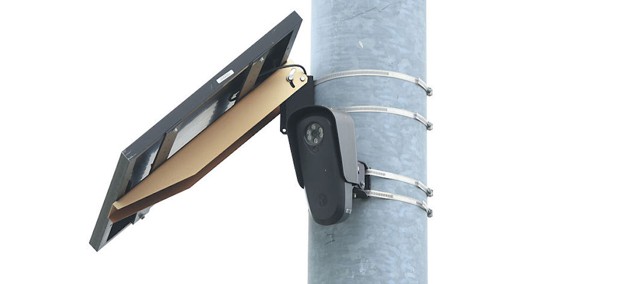
Officers and agencies who illegally share license plate reader data must face consequences, the Virginia Senate majority leader says.
The use of license plate reader data by law enforcement agencies is coming under renewed scrutiny, with Virginia Senate majority leader calling for consequences for officers and agencies that illegally share the data. This technology, also known as automatic license plate readers (ALPRs), allows police to track vehicle movements and has been increasingly used by law enforcement agencies across the US. However, concerns have been raised about the potential for misuse and the need for clear guidelines on data sharing.
The issue matters because ALPR data can be highly sensitive, revealing information about an individual's movements and activities. If not properly safeguarded, this data can be misused, potentially infringing on individuals' civil liberties. Furthermore, the lack of transparency and accountability in data sharing can erode trust between law enforcement and the communities they serve. As the use of ALPRs continues to grow, it is essential that agencies establish clear policies and procedures for data collection, storage, and sharing.
Going forward, executives in law enforcement agencies should watch for developments in Virginia and other states as they consider regulations and guidelines for ALPR data use. They should also review their own agency's policies and procedures to ensure they are in line with best practices and relevant laws. Additionally, they should be prepared to address concerns from civil liberties groups and the public about the use of ALPR data and provide transparency on how the data is being used and shared.
Originally reported by route-fifty.com. ExecutiveNews adds analysis for government & civic readers.